
Different Types of Pin Backs and Their Pros and Cons

Citation:Different Types of Pin Backs and Their Pros and Cons
Pin backs are tiny yet powerful fasteners mounted on the back of a lapel pin. Their sole purpose is to grip the pin post and keep the pin from falling off; in plain terms, they’re the pin’s clasp.
With so many pin‑back styles on the market, the choice isn’t just a matter of function. It’s about improving the way you wear your pins and keeping them exactly where you intend them to be. Whether you’re creating custom pins for a corporate event, producing indie merch, or curating your own collection, this guide will show you how to select the right back like a pro.
Best for: Casual wear on t-shirts & lightweight fabrics
Pros:
Designer Tip: Perfect for freebie pins at conferences, where quick, easy removal is a priority.
Best for: Delicate fabrics & sensitive skin
Pros:
Real-World Case: Perfect for hospital ID badges needing daily removal
Best for: High-value collectibles & outerwear
Pros:
1. Flat disc (sleek professional look)
2.Ball-top (vintage charm)
Cons:
Pro Hack: Use on leather jackets where slight weight adds premium feel
Best for: Permanent installations and high-value collectibles (the most secure option on the market).
Pros:
Best for: Medium-sized pins on suit lapels
Pros:
Best for: Silk scarves, dry-clean-only fabrics, or anyone who avoids pin holes
Pros:
Cons:
Pro Tip: Opt for rare-earth magnets—they’re three times stronger than standard magnets and work well on heavier fabrics.
Best for: Retro designs & display cases
Pros:
Niche Use: Ideal for historical reenactment costume pins, where authenticity and durability are key
Ask yourself these key questions to narrow down your choice:
Choosing the right pin back isn’t a minor detail—it’s the difference between a pin that stays put and one that disappears. A well‑matched back can increase retention by up to 80 % (2023 Jewelry Trends Report), turning a fleeting accessory into a reliable piece that survives crowds, commutes, and everyday wear.
Bottom line: The back you pick should reflect the pin’s use—fabric type, frequency of removal, and desired level of security. Match the fastener to those needs and your pins will look great, feel right, and stay exactly where you intend them to be.
Pin backs are tiny yet powerful fasteners mounted on the back of a lapel pin. Their sole purpose is to grip the pin post and keep the pin from falling off; in plain terms, they’re the pin’s clasp.
With so many pin‑back styles on the market, the choice isn’t just a matter of function. It’s about improving the way you wear your pins and keeping them exactly where you intend them to be. Whether you’re creating custom pins for a corporate event, producing indie merch, or curating your own collection, this guide will show you how to select the right back like a pro.
1. Butterfly Backings: The Everyday Classic
Best for: Casual wear on t-shirts & lightweight fabrics
Pros:
- Lightweight & budget-friendly
- Easy one-handed operation (squeeze wings to release)
- Included as the standard backing with most mass-produced pins
- Higher risk of accidental detachment (think crowded concerts or busy commutes)
- Not ideal for thick, heavy fabrics like denim or canvas
Designer Tip: Perfect for freebie pins at conferences, where quick, easy removal is a priority.
2. Rubber Backings: The Gentle Grip
Best for: Delicate fabrics & sensitive skin
Pros:
- Softer than metal, it won’t snag or damage fine fabrics like silk
- Discreet low-profile look
- Loses tension over time, leading to a looser hold
- Not recommended for activewear (jogging, hiking, or high-movement activities)
Real-World Case: Perfect for hospital ID badges needing daily removal
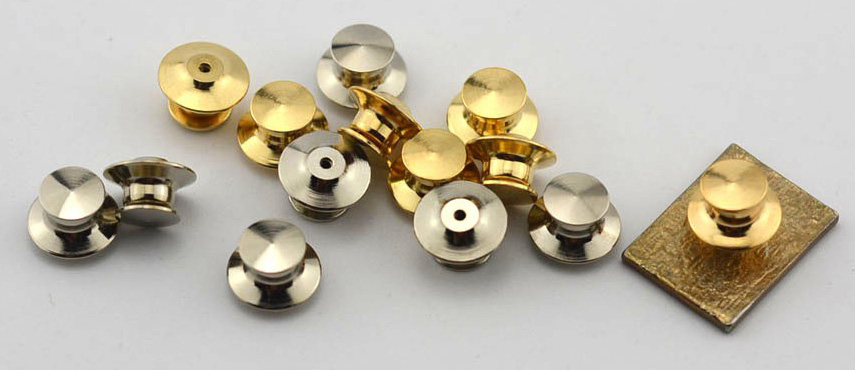
3. Locking Backings: Security Meets Style
Best for: High-value collectibles & outerwear
Pros:
- Spring-loaded "click" mechanism for a secure, worry-free hold
- Two stylish options:
1. Flat disc (sleek professional look)
2.Ball-top (vintage charm)
Cons:
- Slightly bulkier profile
- More expensive than butterfly and rubber pin backs
Pro Hack: Use on leather jackets where slight weight adds premium feel
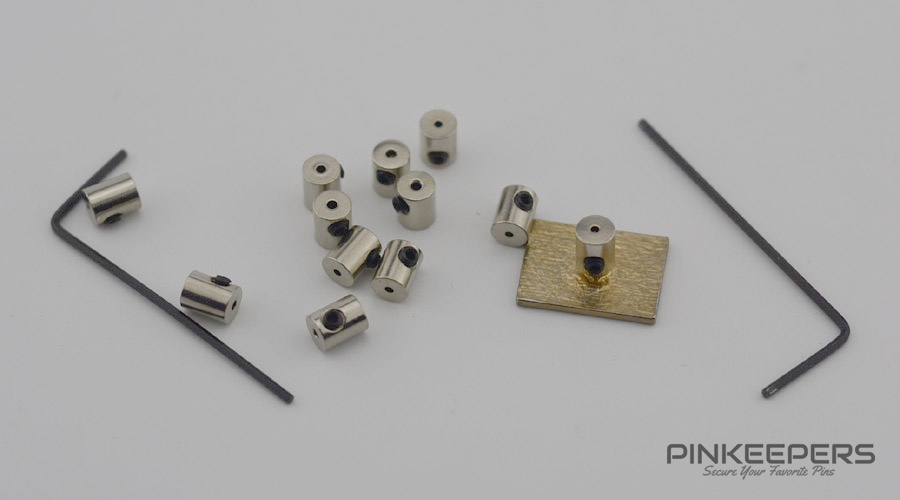
4. Pin Keepers with Allen Wrench: Fort Knox-Level Security
Best for: Permanent installations and high-value collectibles (the most secure option on the market).
Pros:
- Set-screw mechanism eliminates the risk of accidental loss entirely
- Surprisingly affordable, considering its heavy-duty security
- Requires a tiny Allen key for installation and removal (easy to misplace)
- Not ideal for pins you plan to swap frequently
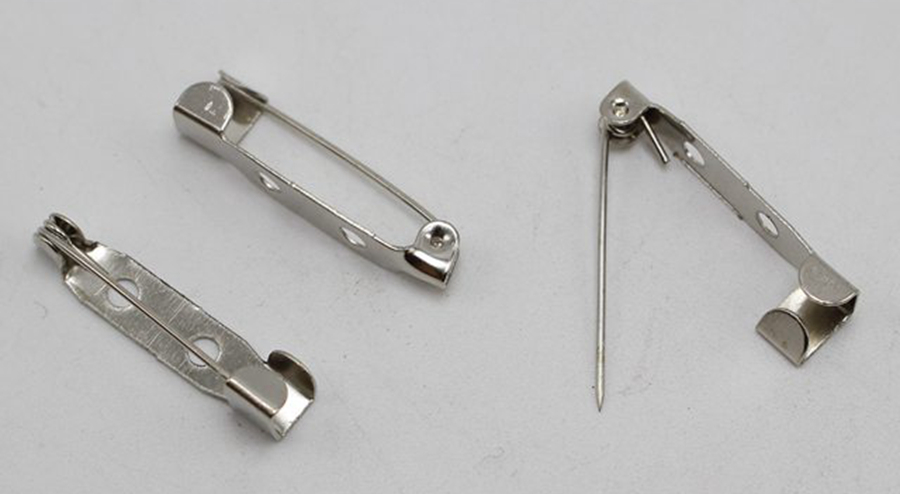
5. Safety Clasps: The Hidden Protector
Best for: Medium-sized pins on suit lapels
Pros:
- Familiar safety-pin style operation, easy to use for most people
- Lays flat against fabric
- Visible metal tab on the reverse side, which can be noticeable on thin fabrics
- Challenging to use with small pins (under 1 inch in diameter)
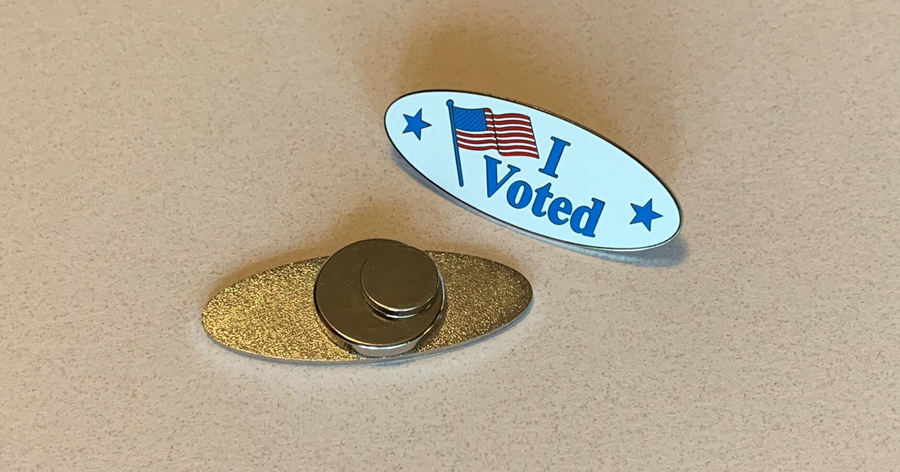
6. Magnetic Pin Backs: No-Pierce Magic
Best for: Silk scarves, dry-clean-only fabrics, or anyone who avoids pin holes
Pros:
- Zero fabric damage—no holes, snags, or stretching
- Ultra-thin profile that sits nearly invisible against clothing
Cons:
- Magnetic strength weakens over thick layers (like winter coats)
- Pins can stick together in storage if not kept separated
Pro Tip: Opt for rare-earth magnets—they’re three times stronger than standard magnets and work well on heavier fabrics.
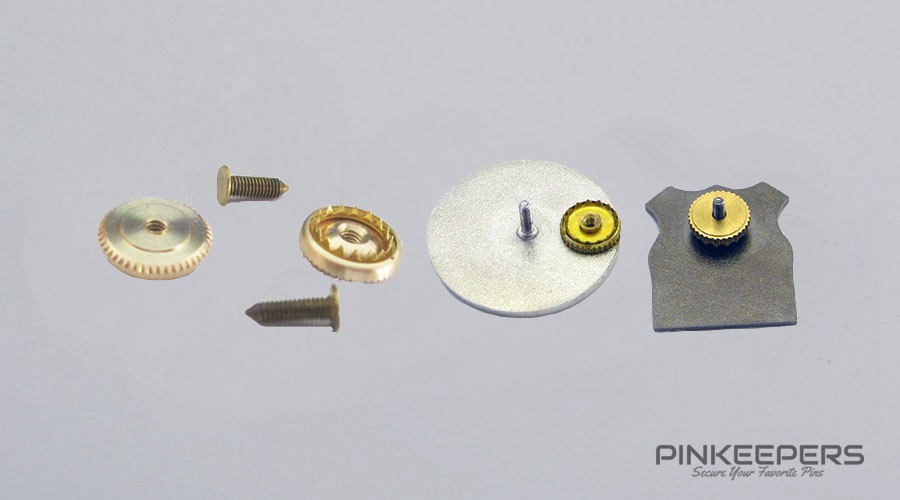
7. Threaded Locks: Vintage Vibes
Best for: Retro designs & display cases
Pros:
- Bold steampunk aesthetic that adds character to vintage-style pins
- Museum-grade security, perfect for long-term display
- Requires a special installation tool, making it less user-friendly for casual use
- Limited fabric compatibility (best for sturdy surfaces like leather or thick canvas)
Niche Use: Ideal for historical reenactment costume pins, where authenticity and durability are key
Your Backing Selection Checklist
Ask yourself these key questions to narrow down your choice:
- "Will these live on a backpack or baby onesie?" (Durability needs)
- "Are users elderly/arthritic?" (Ease of use)
- "Will the pin need to be taken off frequently?" (Opt for quick-release options)
- "Are we optimizing for cost-effectiveness or a premium, high-end feel?" (Balance budget with perception)
Why This Matters
Choosing the right pin back isn’t a minor detail—it’s the difference between a pin that stays put and one that disappears. A well‑matched back can increase retention by up to 80 % (2023 Jewelry Trends Report), turning a fleeting accessory into a reliable piece that survives crowds, commutes, and everyday wear.
Bottom line: The back you pick should reflect the pin’s use—fabric type, frequency of removal, and desired level of security. Match the fastener to those needs and your pins will look great, feel right, and stay exactly where you intend them to be.
Last edited: